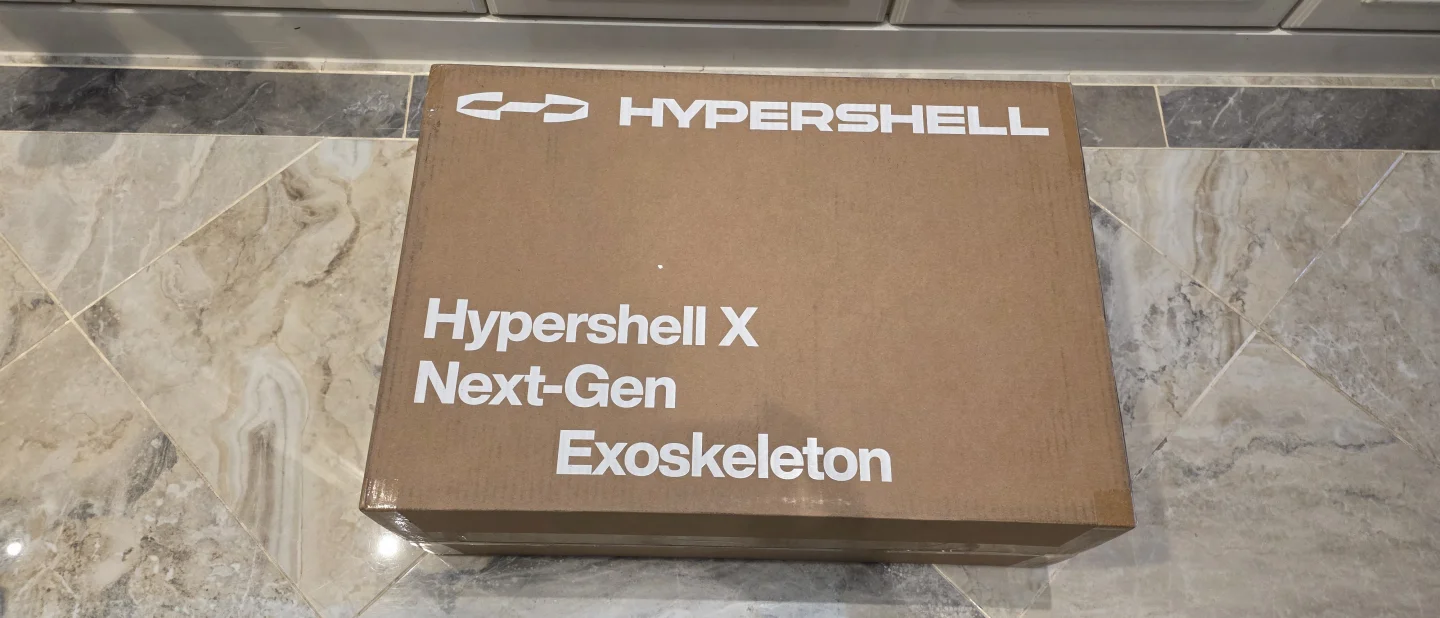
For consumer walking and hiking equipment, the cost of an exoskeleton depends on the exact model and the kit supplied with it. The four selected manufacturer packages below were listed at $999, $889, $1,299, and $1,199 when checked on November 9, 2026. Compare the device, included batteries, charging equipment, and fit together before setting a budget.
Compare a complete walking kit
Begin with a configuration that includes the device and at least one battery for powered use. Check whether straps, charging equipment, and a case are supplied, then identify anything else your outing would require. Keep the exact configuration name beside its price.
Some kits include two batteries, while others supply one. Put that count in its own column rather than treating the total price as a device-only number. Also check whether a shoulder strap or another accessory changes the selected package.
The following comparison uses the publicly displayed base configurations named in each row. The prices are in US dollars; battery count and the basis of the published weight remain attached to the corresponding model.
Brand and configuration
Public kit price, USD
Included batteries
Published weight and basis
Stated range and battery basis
Assistance
Hypershell X Pro S
$999
One
About 5.70 lb including soft components and one battery
Up to 10.9 miles with one battery
Powered hip assistance
Dnsys X1 Carbon
$889
One
About 3.53 lb mechanical parts; complete wearing weight not listed on official site
Up to 9.3 miles with one battery
Powered hip assistance or resistance
Ascentiz H Pro Standard
$1,299
One
5.5 lb total; battery inclusion in this measurement is not defined
Up to 15.5 miles with one battery
Powered hip assistance
AstroShell Alpha 1 Classic
$1,199
Two
4.4 lb structure; complete wearing weight not listed on official site
About 14.9–15 miles combined across two batteries
Powered hip assistance
Checked November 9, 2026. Prices are subject to the manufacturers’ current official listings. Confirm the selected configuration and the total for your delivery address before paying.
The Ascentiz H Pro comparison lists $1,299; its Standard package includes one battery, a support harness, and a case. Include the same required items when asking about a different kit.
What does a roughly $1,000 budget cover?
For the two selected one-battery kits below $1,000, compare the remaining budget with the complete cost for your address. At the listed prices, the arithmetic leaves $111 from $1,000 for the Dnsys X1 Carbon or $1 for the Hypershell X Pro S, before any tax, delivery charge, or extras applicable to the order. Check those final amounts rather than using the device price alone as your budget.
AstroShell’s selected Classic kit was above $1,000 and included two batteries. If a second battery matters to your plans, ask what a complete comparable arrangement would cost for each product. Keep the same list of required items while collecting those totals.
Fit comes before adding accessories. Try the complete equipment with your ordinary clothes and bag, and check whether it suits the activity you want to do. A kit that already contains an extra battery may still need a different pack arrangement for your walk.
Check what you will use after unboxing
The supplied items should support the way you plan to use the device. Identify the compatible battery, charging arrangement, straps, and any separate storage items. Ask which items are needed for normal operation and which are optional for your outing.
Start with the modes you will use. A new Hypershell owner had tried the device on building stairs and found an app setting that added resistance as well as assistance. Before adding equipment to the budget, learn the supplied controls and choose the mode intended for your planned walk.
That owner also mentioned that the device could bump into nearby objects. During a fitting, check the room needed around your hips and legs, including how you would move through an ordinary doorway or put a bag on. Leave yourself an easy place to practice with the equipment you already have.
For charging, confirm the requirements of the exact battery and supplied charger. Keep accessories associated with their intended model when comparing packages. If an additional charger would stay at home rather than come on the trail, separate that purchase from the load you plan to carry.
Include backpack compatibility in the budget
An existing bag may work with the device, but check both together before assuming the arrangement is settled. A hiker carrying a heavy pack reported useful uphill assistance while finding that the battery pushed the back panel away from the hips. Trying the intended load can reveal whether you need to adjust the setup before spending on extras.
Try the bag you already own. On a complex route with a heavy backpack, a wearer felt help lifting their legs uphill but needed more room between the rear battery and the pack. Fit the complete loaded setup first, then decide whether a different bag or a lighter day-hike arrangement is needed.
Keep water, layers, and other essentials in the bag during that check. If the battery lifts the pack away from its normal position, address the contact points before adding a longer route. A standing demonstration with an empty bag is a different setup from a loaded walk.
Match battery spending to your outing
Look at the range claim with its battery count. In the table, one configuration lists a combined two-battery distance and the other selected configurations list one-battery distances. Decide what you would carry for the entire outing, including the return, before pricing an extra battery.
Begin with a short, familiar route and note how much battery it uses. Include pauses and some walking with assistance switched off so you can judge the complete experience. That gives you practical information for deciding whether additional powered time would be useful on a later trip.
A rental wearer offered a four-hour session returned after a little over an hour and switched the device off for the descent. Their experience is a useful reason to try the activity before choosing a larger battery package. Ask about a supervised demonstration or trial arrangement that lets you check the fit and modes you expect to use.
Keep the quote tied to your location and configuration
Use the official price for the market you are ordering from, together with the actual delivery address. Check the selected size, battery package, and charging items on the order summary. Then read the applicable delivery and return terms before deciding on the total.
For example, Dnsys’s published delivery coverage includes the mainland United States but excludes Hawaii, Alaska, and Guam. Confirm eligibility for your address when collecting a quote. Keep any tax or delivery amount from the order summary beside the configuration so a later comparison uses the same basis.
Put optional accessories on a separate line in your notes. Record the checked date, kit price, additional items, and final total, then keep that note while you complete the fitting and decide whether the equipment suits the walk.
FAQ
What is the cost of an exoskeleton for walking?
The selected official consumer kits in this snapshot were $999, $889, $1,299, and $1,199. Match each amount to the named model and included battery count, then confirm the complete total for your delivery address.
Can a $1,000 budget cover a bionic exoskeleton?
Two selected one-battery kits were listed below $1,000 at the check date. Leave room for any tax, delivery, and required extras, and try the equipment with your intended bag before deciding what the budget needs to cover.
Why do exoskeleton legs prices differ between kits?
The selected model, battery count, materials, and accessories can change the package. Compare the same fields for each kit and ask for a complete quote. Keep the checked date and configuration beside every amount.