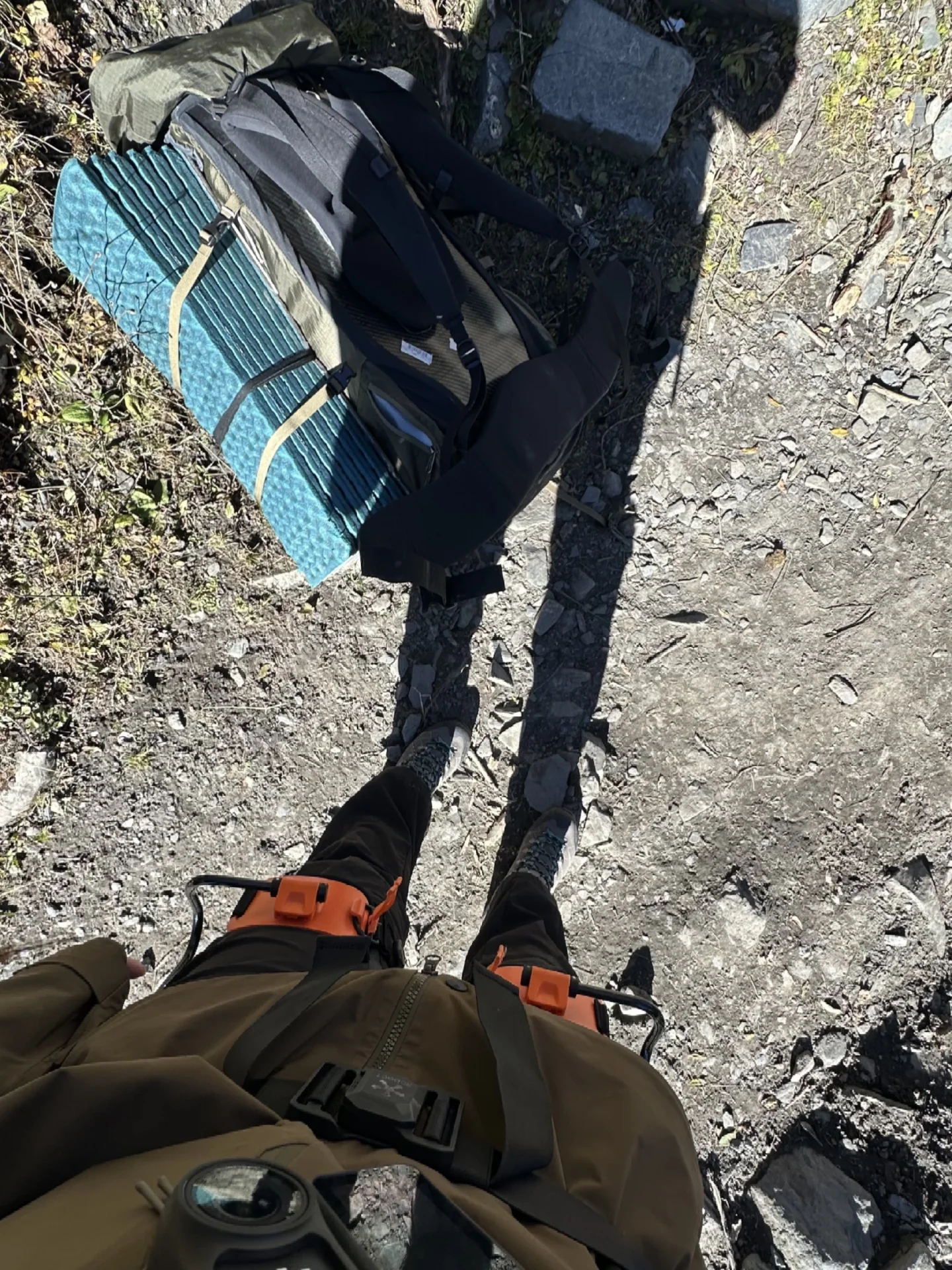
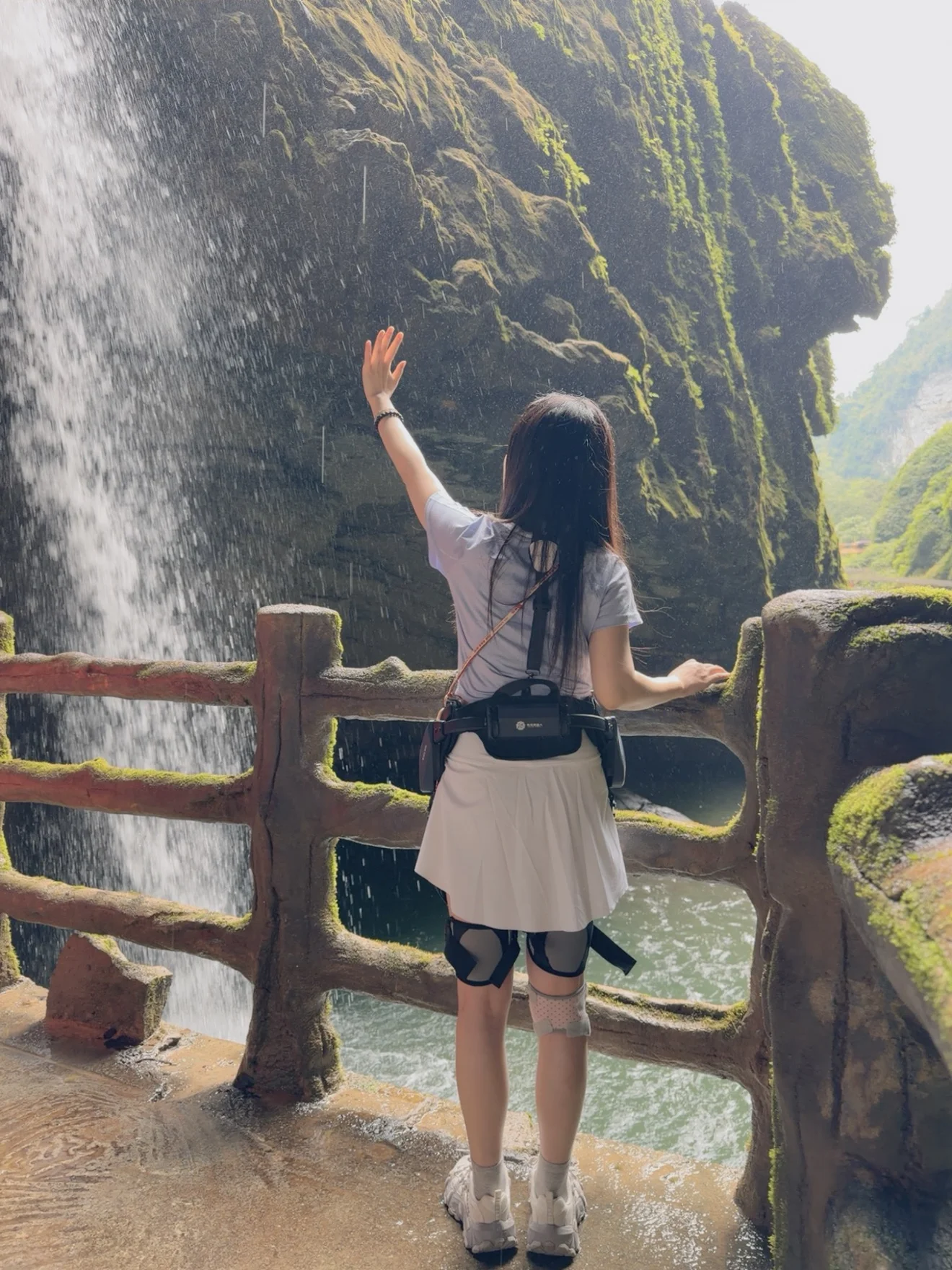
A wearable exoskeleton for hiking can help with climbs and repeated steps, especially for a walker with modest fitness on a lightly loaded day hike. Descents, heavy packs, and ground that calls for frequent changes of stride need a closer check of the equipment and its settings. Choose a route that suits both your own fitness and the assistance the device provides.
Across those six records, four explicitly described easier uphill movement, three described limited downhill help, and two mentioned a battery interfering with a backpack. A clear theme was who felt the difference: a walker who described their fitness as limited appreciated the assistance, while a person who exercised daily and regularly climbed stairs felt a smaller change.
Who may notice the most help?
Start with the climbing you usually find tiring. Repeated steps on a popular mountain trail are a useful setting for trying leg assistance: you can settle into a pace, pause, and notice how lifting each leg feels. A lightly loaded day walk also gives you room to get used to the waist and leg attachments before considering a larger pack.
One wearer described being short of fitness and walking in stages with frequent stops. The assistance became clearly noticeable after about one to two hours, close to two hours into that outing. A brief first try may feel different from a longer, comfortable period of walking; allow time to get accustomed to the equipment without forcing yourself to continue through discomfort.
On another outing, a companion said the device had made reaching the top possible for him. The person documenting that trip felt a smaller benefit, even though they were walking together. If you are trying equipment as a group, let each person choose a comfortable pace and assess their own experience.
The daily exerciser’s experience offers a useful comparison. Someone already accustomed to climbing stairs may notice a subtler change, so try a familiar climb where you know your usual effort. Pay attention to whether the assistance makes that particular task more comfortable rather than seeking the strongest possible push.
Choose a route that lets you settle into a rhythm
The records point toward sustained climbing and stepped paths as a practical starting place. A day hike with a light pack makes it easier to focus on fit and movement. For a state-park outing, choose a familiar loop with a straightforward return and check where the main climb and descent occur before setting out.
Route or load
Where to focus your trial
A useful preparation
Sustained uphill steps
Leg lifting and a comfortable walking rhythm
Start at a steady pace and take breaks
A long descent
The device’s descent setting and worn comfort
Try a short downhill section before committing to the route
A larger backpack
Contact between the rear battery and the pack
Fit the complete loaded setup together
Irregular rocky ground
Short steps and changes of direction
Begin on an easier section with secure footing
A longer day
Comfort, battery use, and the return journey
Keep the first outing within your usual walking range
On complex ground, a wearer carrying a heavy pack found that frequent changes of stride called for more adjustment than a regular uphill rhythm. Give yourself space to test starts, stops, and shorter steps on an easy surface first. For early outings, favor a route where you can shorten the walk if the setup needs attention.
Rest while your legs still feel ready to walk
One account described a marked difference between walking with relatively fresh legs and continuing after the legs had become very sore. The wearer felt light on their feet earlier, then found that assistance had less to offer once fatigue had built up. Plan regular pauses instead of waiting for the equipment to carry you through the last part of a climb.
The National Park Service’s hiking guidance recommends frequent breaks and a pace at which you can talk while walking. Use that conversational pace to keep the outing comfortable, even when lifting your legs feels easier.
A first-time wearer who had begun to enjoy the assistance ran up a steep section while hurrying and saw a heart-rate reading of 164 beats per minute, then slowed down. Keep checking your breathing and usual effort cues as well as the sensation in your legs. If the climbing feels easier, use the extra comfort to hold a steady pace rather than automatically speeding up.
Check pack fit before a loaded trip
Useful climbing assistance and comfortable backpack fit need to work together. A battery behind the waist can share space with a pack’s back panel or hip belt. Put your intended water, layers, and other essentials in the bag before trying both pieces of equipment together.
Leave room for the battery. On a complex route, a hiker carrying a heavy backpack felt help lifting their legs uphill, but the rear battery pushed the pack away from their hips along the way. Before a loaded outing, check that the pack can sit in its usual position and that its hip belt clears the device.
The other pack-contact account came from a trail-cleanup outing on an approximately 82°F day. The wearer described the waist battery pressing against the backpack and difficulty matching changing uphill steps. Try the full setup in conditions similar to your planned walk, then adjust the pack and attachments before adding distance.
Check the rear waist area, both sides of the hip belt, and the thigh attachments while standing and taking ordinary steps. If the battery lifts the bag away from your back, try a compatible pack arrangement or a lighter day-hike setup. Keep the essentials you need for the route in the bag throughout the fitting.
Plan the descent as well as the climb
Most of the explicitly reported assistance in these records concerned climbing. Three accounts described limited help downhill, so include a short descent when you try the equipment. Check the exact model’s available modes and choose the setting that lets you walk comfortably at your own pace.
Keep the return walk comfortable. On a descent-heavy outing, a wearer appreciated the uphill assistance but felt the equipment’s weight around their waist on the way down. Before choosing a route with a long descent, try the device downhill and check whether its fit stays comfortable throughout the movement.
Another wearer was offered a four-hour rental but returned after a little over an hour. They turned the device off for the descent and then carried its weight without powered assistance. Try that part of the experience too: check how the equipment feels when switched off, and keep the return walk within a distance you can manage comfortably.
For the “downhill and knees” question, first identify the assistance location. A powered hip device helps movement around the hip; a knee exoskeleton places assistance at a different joint. Ask for the model’s intended use and descent instructions, then check the fit and setting on an easy slope before a longer walk.
Include everyday stops in the trial
The short-rental account also mentioned that using the restroom while wearing the equipment was inconvenient. Before heading farther from the trailhead, learn how to release and refit the attachments so an ordinary stop does not become a struggle with straps.
The hot-weather cleanup account is another reason to check comfort beyond the first fitting. On a warm day, make time to pause, adjust any pressure points, and see how the equipment and your pack feel together. Keep your route and rest schedule flexible while you learn the setup.
Plan around complete weight and battery use
Look for the manufacturer’s wearing weight with a battery, then include any spare battery in what you will carry. Try that complete arrangement with your normal hiking clothes and bag. A comfortable fit during a short demonstration is a starting point for choosing the length of a first outing.
Read the stated range alongside its test conditions and the mode you intend to use. Leave room in your plan for the return journey and for finishing with assistance switched off. On a first trip, choose a route you already know you can complete, and note how much battery that particular walk uses before planning a longer one.
FAQ
Is a wearable exoskeleton useful for hiking?
It can help with sustained uphill walking and steps, particularly when that climbing is demanding for the wearer. Start with a light day pack and a familiar route, allow time to get used to the equipment, and take breaks while walking still feels comfortable.
Can an exoskeleton help carry a heavy hiking backpack?
Leg assistance can make climbing feel easier while pack fit still needs adjustment. Two of the six records mentioned battery-and-pack contact. Try the exact loaded backpack with the device, checking clearance around the back panel and hip belt before choosing a longer route.
Are robot hiking legs suitable for a long day?
Build toward a longer outing after trying the complete setup on a shorter walk. Include a descent, a rest stop, and some walking with assistance switched off so you can judge comfort and battery needs for the whole day.