Carbon-fiber trekking poles often appeal to hikers who want lower weight, while aluminum is commonly chosen for its price and how it responds to rough handling. Choose by the complete pole’s weight, construction, fit, and intended terrain rather than assuming a material label guarantees durability. Shafts, locks, grips, and tips all deserve attention.
Compare complete poles before comparing materials
A pole includes more than its shaft. Grips, straps, locks, section count, and baskets contribute to both weight and convenience. Two products made from different shaft materials can end up close in total weight because the rest of their construction differs.
Keep the measurement basis the same: ounces per pair or ounces per pole. If one listing gives a single-pole weight and another gives a pair, convert them before comparing. Check the size, too; a longer size can weigh more within the same product family.
For a concrete example, Black Diamond lists its aluminum Pursuit S/M at about 17.5 ounces per pair and its Alpine Carbon Cork at about 17.1 ounces per pair. These are different designs and length ranges. The roughly 0.3-ounce difference in those stated pair weights is a reason to inspect the exact products rather than assign a fixed weight saving to carbon.
The Alpine Carbon Cork specifications identify carbon shafts and a usable length of about 39.4–51.2 inches. The Pursuit S/M range is about 39.4–49.2 inches. Check the size and fittings before deciding whether a weight comparison suits your own requirements.
What the materials change
Aluminum shafts and carbon-fiber composite shafts are built differently. Their response to impact and bending depends on the design as well as the material. That makes the direction of a load and the condition of the pole relevant to either choice.
Cascade Mountain Tech’s material guidance describes carbon as lighter and aluminum as more tolerant of side loading in its range. Treat that as a reason to compare intended use and handling. It does not make an aluminum pole immune to damage or establish that every carbon design behaves alike.
A tip caught between rocks can put a very different load on a shaft from an ordinary pole plant. If it sticks, stop and free it carefully before moving farther. Keep your walking plan based on stable foot placements rather than asking a trapped pole to support a sideways movement.
Question
What to compare for either material
How heavy is the complete setup?
Same units, same pole count, exact size
Does it fit your walking?
Usable length, grip comfort, and strap fit
How does it pack?
Folded or collapsed length and loose sections
What needs inspection?
Shafts, section joins, locks, grips, and tips
Can a worn part be replaced?
Exact model compatibility and current parts availability
Separate shaft failures from lock problems
A pole that slips at a lock has a different problem from a cracked shaft. Before a walk, assemble the equipment and check that each section stays at its set length under controlled downward pressure. If it shortens, resolve the adjustment before using it for support.
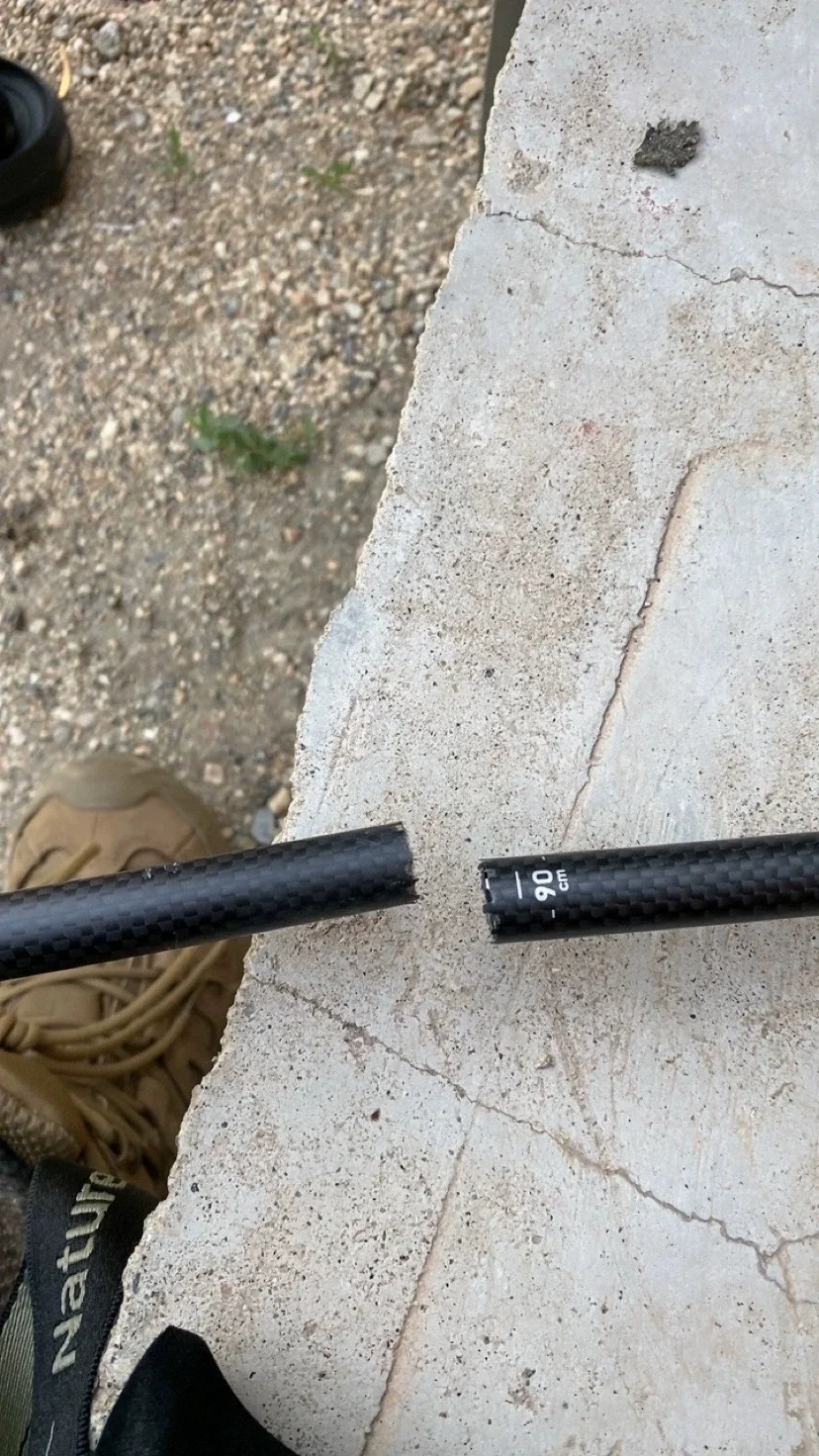
One hiker on a loaded multi-day outing reported that a pole would not open at the start, then described the other breaking about 12.4 miles into the first day. Those are two distinct equipment problems to check for before departure: reliable deployment and sound structure. Assemble both poles before leaving home and again before the trail starts.
Inspect the whole pole. That hiker photographed the broken shaft sections after the first-day failure. Check the tube and the joints before loading the poles for an outing, and set damaged equipment aside.
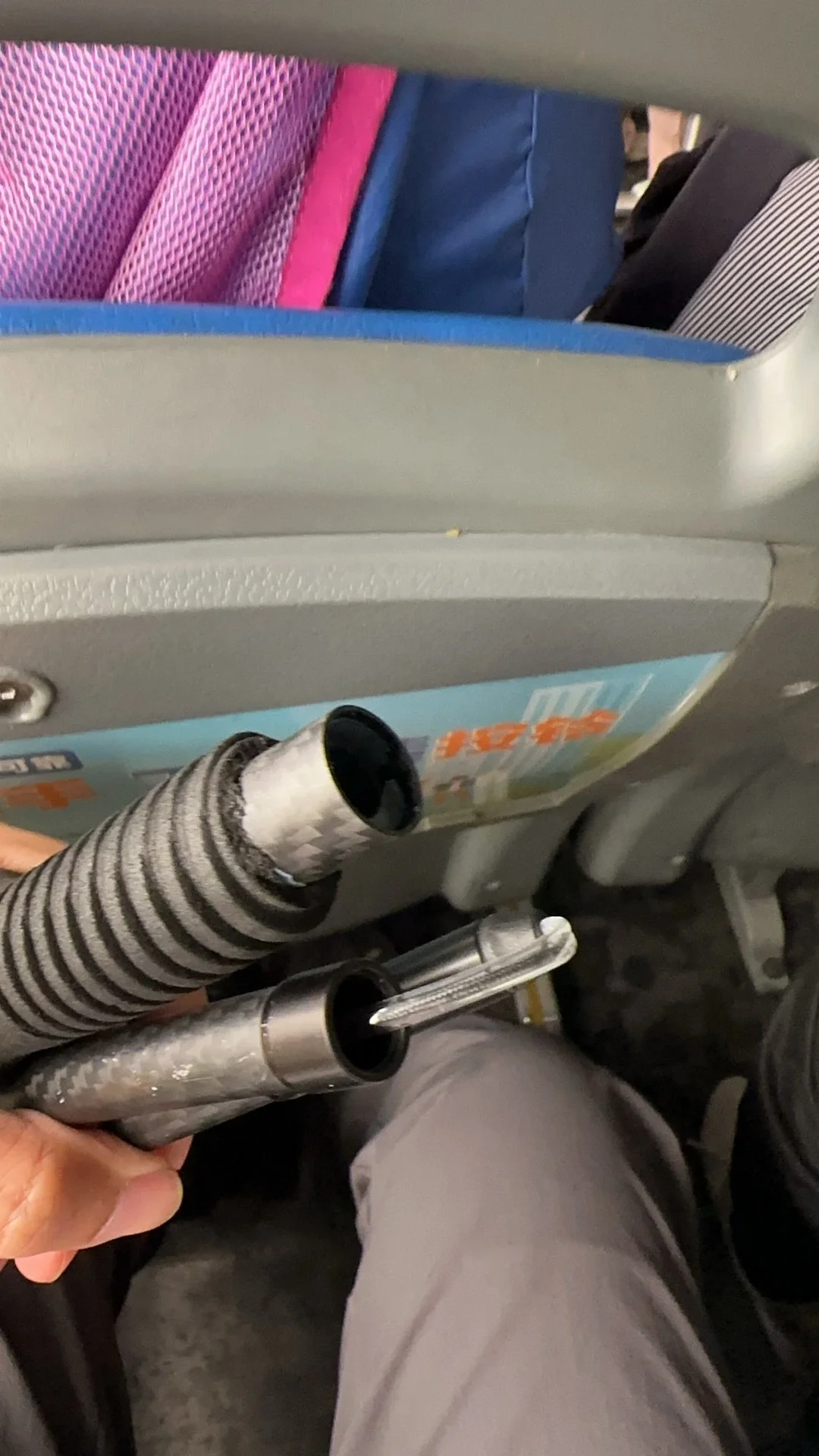
Another user’s carbon pole broke near an external locking area during its first outing. Use that account as a prompt to look around section joins as well as along the tube. If a fitting is loose or the surrounding material is damaged, resolve it before the next walk.
The circumstances of a failure can matter to an individual purchase decision. Keep the model, load, and known event together when evaluating an account. A photograph of a break is useful for locating damage; your own inspection still needs to cover every part.
Grips and fittings can decide the outing too
A comfortable shaft weight does little for convenience if the grip moves or a strap will not stay adjusted. Try the poles in your hands and make small adjustments before adding a longer walk. Check for play where the grip joins the shaft.
Look above the shaft. A different owner photographed a cracked grip assembly, including close views of the separated upper fitting. Include the handle and its connection in your equipment check instead of looking only at the lower tubes.
Open and close adjustable locks as intended and check that the sections remain within their extension marks. Folding poles add connectors and a deployment mechanism to inspect. A familiar routine makes it easier to notice a change from the way the equipment normally works.
If a fault appears during the hike, stop somewhere secure and assess the return. Ask the manufacturer about a suitable replacement part when you are able to do so. A damaged pole needs attention before it becomes part of another loaded outing.
Think about carrying as well as swinging
A small weight difference can feel different depending on how long you use the poles and where you store them. Try walking with the poles, then pack them away with your normal bag. Include the sleeves, tip protectors, and accessories you intend to carry.
For a route where you use poles mainly on the climb, the packed arrangement deserves particular attention. Check whether the collapsed shafts project above the bag or the grips contact your arms. Material alone will not tell you whether that setup is convenient.
Keep baskets and tips appropriate to the pole and the terrain. Added accessories can change a weight comparison, and compatible parts are easier to manage than a collection of similar-looking fittings. Note the exact configuration beside any measured weight.
Make the purchase question specific
Start with fit, length, and the surface you usually walk. Then compare complete weight, price for the required pole count, and parts availability. If you are replacing an existing pair, identify what you want to improve: carrying convenience, grip comfort, or an adjustment that suits changing slopes.
Check the manufacturer’s stated activity for the exact design. A light fixed-length running pole and an adjustable trekking pole may both use carbon while serving different routines. The same distinction applies to aluminum designs with different section and locking arrangements.
Try the shortlisted equipment on easy ground if possible. Practice deployment, a few ordinary steps, and packing it away. The right comparison is between complete arrangements you can comfortably use on your intended walk.
FAQ
Are carbon-fiber trekking poles better than aluminum?
They can suit a walker who values a lighter complete design, but the exact products may differ only slightly in weight. Compare size, grip, locks, packing, and intended use. Choose from the whole setup you will carry and use.
Do aluminum poles bend instead of breaking?
They can bend, but that is not a guarantee against breakage or other failures. Inspect the shaft and fittings, and stop using damaged equipment for support. Side loading and a trapped tip deserve care with either material.
How should you compare trekking-pole weight?
Use the same unit and pole count, such as ounces per pair, and match the size and accessories. Keep those details beside the official figure. A complete-pole comparison is more useful than comparing shaft materials alone.